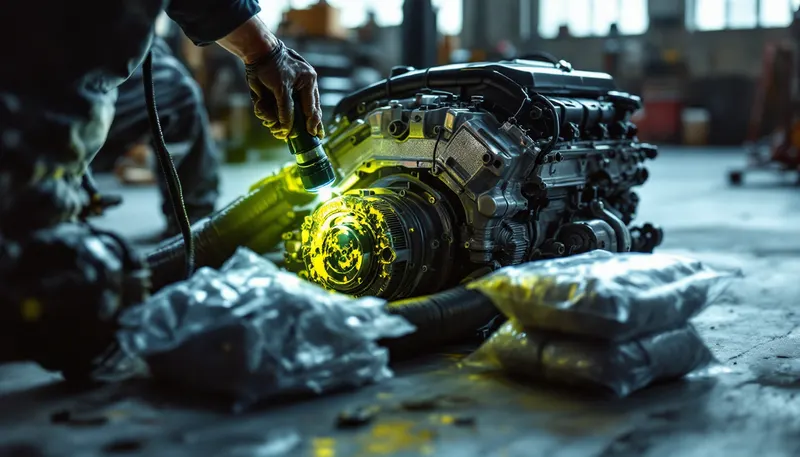
M272/M273 Oil Leak Repair
Oil cooler seals, valve covers, cam magnets on M272/M273
- Price range
- $400–$2,300
- Typical time
- 2–8 hours

NCV3 W906 · VS30 W907 / W910
A Sprinter that is down is a route that is not running. We work on the NCV3 and VS30 vans with the OM642 V6, the OM651 and the OM654 four-cylinder diesels, with XENTRY for the emissions system and a repair plan written around getting the van back on I-635 rather than keeping it on the lift.
Repairs covered by a 2-year/24,000-mile warranty, independent shop
Generations
NCV3 W906
2007–2018
Sold as Dodge, Freightliner and Mercedes; OM642 V6 diesel for nearly all US vans, OM651 four-cylinder from 2014; 5-speed NAG1 then 7G-Tronic.
VS30 W907 / W910
2019–
Second-generation body with MBUX and new electrical architecture; OM642 V6 through 2022, OM654 2.0 four-cylinder from 2023, M274 gasoline 2019–2022; 7G-Tronic then 9G-Tronic; W910 is the 4x4 and AWD variant.
Known failures
Problem
NCV3 and VS30 with OM642, 2007–2022: Oil in the valley under the intake, oil dripping onto the starter and bellhousing, burning smell at idle
Likely cause
The OM642 oil cooler sits in the vee and its two seals harden; oil fills the valley and runs out the back of the engine
The fix
Remove the intake manifolds, turbo and swirl flap plumbing, replace the cooler seals with the updated material and the gaskets disturbed on the way
M272/M273 Oil Leak RepairProblem
OM642, 2007–2022: Check engine light with swirl flap position codes, flat spot off idle, van down on power
Likely cause
The swirl flap motor and linkage on the intake manifolds seize from carbon and oil from the cooler leak
The fix
Replace the motor and linkage, clean or replace the manifolds while the cooler seals are being done, since access is shared
XENTRY DiagnosticsProblem
OM642, 2007–2018: Sudden loss of boost, hissing under load, limp mode on the highway
Likely cause
The plastic turbo resonator on the charge pipe cracks at its seam and leaks boost pressure
The fix
Replace the resonator or fit the aluminum delete, check the charge pipe clamps and the intercooler hoses at the same time
XENTRY DiagnosticsProblem
NCV3 BlueTEC and VS30, 2010–: Message counting down starts remaining, AdBlue warning with a full tank, NOx sensor codes
Likely cause
The DEF tank heater and pump fail, NOx sensors age, and the system refuses to count a fill it cannot verify
The fix
Guided SCR test in XENTRY, replace the heater, pump or NOx sensor that failed, reset the counter after verification
XENTRY DiagnosticsProblem
All diesel Sprinters, 2007–: DPF warning, van will not regenerate, excessive regens on short delivery routes
Likely cause
Short stop-and-go routes never reach regeneration temperature; soot load climbs and the DPF or its differential pressure sensor fails
The fix
Read soot and ash load, forced regeneration where the filter is still viable, replace the pressure sensor or the DPF when the ash load is past limit
XENTRY DiagnosticsProblem
NCV3, 2007–2018: Battery drain overnight, no crank with a good battery, random warning lights
Likely cause
Corroded ground straps, the chassis-to-engine ground and the rear SAM module on vans that carry wet cargo or wash out the load floor
The fix
Voltage-drop test the ground paths, clean and replace straps, inspect the rear SAM and its connectors
XENTRY DiagnosticsProblem
VS30, 2019–: MBUX reboot, intermittent no-start, warning lights after a jump start
Likely cause
The new electrical architecture is sensitive to low voltage; a weak battery or a jump at the wrong point sets faults in multiple modules
The fix
Battery state test, clear the module faults in XENTRY after the supply is corrected, apply open software measures
XENTRY DiagnosticsProblem
Sprinters with the 7G-Tronic, 2010–: Harsh shifts under load, limp mode on a hot afternoon, delayed reverse at the dock
Likely cause
The 722.9 conductor plate speed sensors and the fluid age fast on a loaded van in Dallas heat
The fix
Fluid and filter, conductor plate with coding where the sensor fault is stored, adaptation drive
722.9 7G-Tronic Transmission Service and RepairThe OM642 V6 diesel powered nearly every US Sprinter from 2007 through 2022, and its oil cooler lives in the valley between the cylinder banks under the intake manifolds. The two seals that join the cooler to the block are the failure point: they harden, oil fills the valley and runs out the back of the engine onto the starter and the bellhousing. From underneath it looks like a rear main seal, and plenty of vans have had the wrong part replaced.
The job is defined by access. The intake manifolds, the turbocharger, the swirl flap plumbing and most of the EGR hardware come off to reach the cooler, which is why we replace the swirl flap motor and any brittle plastic intake pieces in the same visit. Doing them separately later means paying for the same disassembly twice.
The updated seal material lasts, and a van that has had the job done with the correct parts does not come back for it. We note the repair on the fleet sheet so the next technician knows the valley has been opened.
The BlueTEC emissions system has two parts that fight short-route use. The diesel particulate filter needs sustained exhaust temperature to burn its soot, and a van that makes forty stops between Garland and Mesquite never gets there. Soot load climbs, the van attempts regeneration more often, and eventually the DPF or its differential pressure sensor sets a warning.
The selective catalytic reduction side uses AdBlue, and when the tank heater, the pump or a NOx sensor fails the system cannot verify that it is dosing. It responds with a countdown of starts remaining, after which the van will not start. The fix is never adding more fluid; it is the guided SCR test in XENTRY, replacement of the failed component and a verified reset.
For fleet vans we read soot and ash load and the NOx sensor values at every oil service, so a DPF that is filling or a sensor that is drifting is caught while the van is already in the shop. A forced regeneration while the filter is still viable costs a fraction of a replacement.
The 2007–2018 NCV3 is mechanically straightforward: OM642 or, from 2014, the OM651 four-cylinder, a NAG1 five-speed or the 7G-Tronic, and a conventional electrical system whose weak points are ground straps and the rear SAM module. Vans that haul wet cargo or get the load floor washed out corrode their grounds and present with phantom warnings and overnight battery drain.
The 2019-on VS30 brought MBUX, a new electrical architecture and, from 2023, the OM654 2.0 four-cylinder in place of the V6. It is more fuel-efficient and quieter in the shop, but it is sensitive to low voltage. A jump start at the wrong point or a tired battery sets faults in several modules at once, and clearing them properly needs XENTRY and often a software update.
The W910 4x4 and AWD vans add a transfer case and front driveline that need their own fluid service, and the AWD system on the 2023-on vans is a different design from the older selectable 4x4. Both the 7G-Tronic and the 9G-Tronic age their fluid quickly under load, and a loaded van that shifts harshly on a hot afternoon on I-30 is often telling us the fluid is overdue.
A commercial operator needs a cost per repair that can be approved before the van is taken apart, and that is what the written estimate with a range provides. Each van gets an inspection sheet tied to its unit number that lists soot load, brake measurements, tire wear and any leak found, so the office can plan the next visit instead of reacting to a breakdown on US-80.
We schedule fleet units around the route: drop-offs at opening and pickups before the evening run where the repair allows it, and a clear call when a repair needs the van overnight. The oil cooler seal job, a DPF replacement or a transmission valve body are multi-day jobs and we say so at the estimate.
Every Sprinter repair is covered for 2 years parts and 2 years labor, up to 24,000 miles, nationwide, which travels with the van. For fleet terms or a single van estimate, email service@mercedesbenzrepair.net with the year, engine and the message on the cluster.
The 2019–2022 gasoline Sprinter uses the M274 2.0 turbo four and a 9G-Tronic, and it avoids the entire diesel emissions list. Its own items are the water pump and intake plumbing shared with the Metris, and spark plugs on a van that carries weight. For a shuttle or a light delivery route inside the city it is the cheaper van to keep running.
The OM654 that replaced the V6 in 2023 is a modern four-cylinder diesel with a steel-piston design and a simpler emissions layout. Its long-term pattern is still forming, and we service it to the booklet interval with the specified low-ash oil and watch the same DEF and DPF values as on the older vans.
The OM651 four-cylinder fitted to some 2014–2018 NCV3 vans sits between the two. It avoids the valley oil cooler of the V6 but shares the full BlueTEC emissions hardware, and its injector seals and the timing chain at the rear of the engine are the items we watch on higher-mileage units.
Costs
| Service | Price range | Typical time |
|---|---|---|
| OM642 oil cooler seals | $650–$1,100 | 4–8 hours |
| XENTRY diagnostics (DEF, DPF, NOx, swirl flaps, electrical) | $149–$229 | 1–1.5 hours |
| 7G-Tronic fluid and filter | $350–$550 | 2 hours |
| 7G-Tronic conductor plate with coding | $1,300–$2,200 | 3–5 hours |
| Valve cover gaskets (pair) | $550–$950 | 3–5 hours |
| A/C evacuate and recharge, R134a | $189–$289 | 1–1.5 hours |
Independent-shop ranges for Dallas. DPF, NOx sensor, AdBlue heater and turbo resonator repairs are quoted per van after the XENTRY test because the part that failed and the soot or ash load decide the cost; fleet accounts receive the range in writing before approval.
How booking works
Covered for 2 years parts and 2 years labor, up to 24,000 miles, nationwide
Questions
Only if the tank is actually empty, and the countdown with a full tank means something failed: the DEF heater, the pump or a NOx sensor. Adding fluid does not clear it. We run the guided SCR test, replace the failed part and reset the counter once the system verifies dosing. Bring the van in before the count reaches zero, since at zero it will not start.
Usually not. The oil cooler seals in the valley let oil run down the back of the block and out at the bellhousing, which looks identical from below. We check the valley from above before quoting; the cooler seal job is far more common than a rear main on this engine and the price is different. The swirl flap motor is replaced in the same visit because the access is shared.
Short stop-and-go routes never hold exhaust temperature long enough to burn the soot, so the filter fills and the van tries again sooner each time. We read the soot and ash load in XENTRY; if the filter is still within limits a forced regeneration clears it, and a monthly sustained highway run keeps it that way. A failed differential pressure sensor causes the same complaint.
Yes. The NCV3 is the same van under all three badges, with the same OM642, 7G-Tronic and emissions system, and XENTRY recognizes them by VIN. Parts are the Mercedes part numbers. The only difference is the badging on the paperwork, and the repair is covered for 2 years parts and 2 years labor, up to 24,000 miles, nationwide like any other.
Fleet vans are quoted at the same published ranges with the estimate in writing per unit, and we keep an inspection sheet by unit number so the office can schedule the next visit. Multi-day jobs such as oil cooler seals or a DPF are flagged at the estimate so the route can be covered. To set up the account, email service@mercedesbenzrepair.net.
Services
Oil cooler seals, valve covers, cam magnets on M272/M273
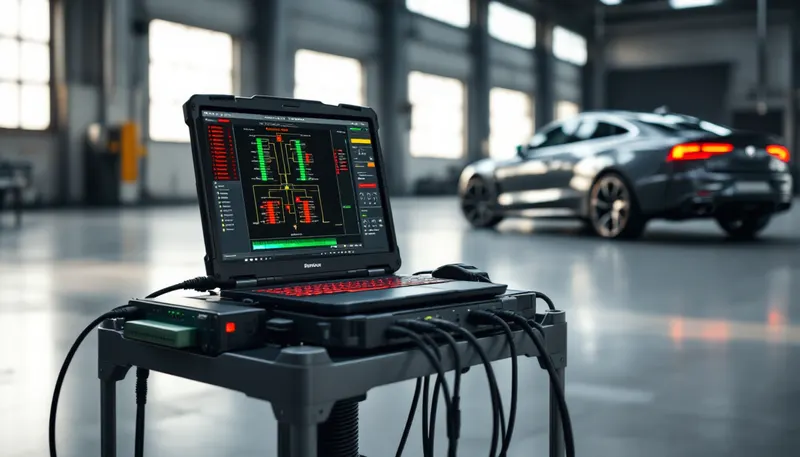
Factory XENTRY scan, guided tests, SCN coding
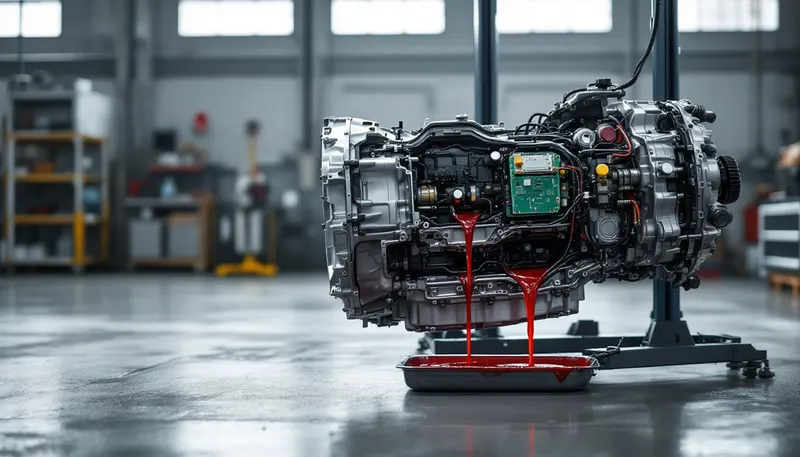
Conductor plate, valve body, fluid service, coding

R134a/R1234yf recharge, compressor, evaporator, actuators
Bring your Sprinter to a specialist
A Sprinter that is down is a route that is not running. We work on the NCV3 and VS30 vans with the OM642 V6, the OM651 and the OM654 four-cylinder diesels, with XENTRY for the emissions system and a repair plan written around getting the van back on I-635 rather than keeping it on the lift.